
The Importance of Managing Water Around Your Home
Proper drainage is crucial for maintaining the integrity of outdoor concrete surfaces. When water doesn’t drain away correctly, it can lead to significant damage over time. This article will explore how effective water management helps prevent costly issues like cracks and erosion in your concrete structures. By understanding common problems and learning preventative measures, you can protect your investment and enhance the durability of your property.
Why Poor Drainage Can Damage Concrete
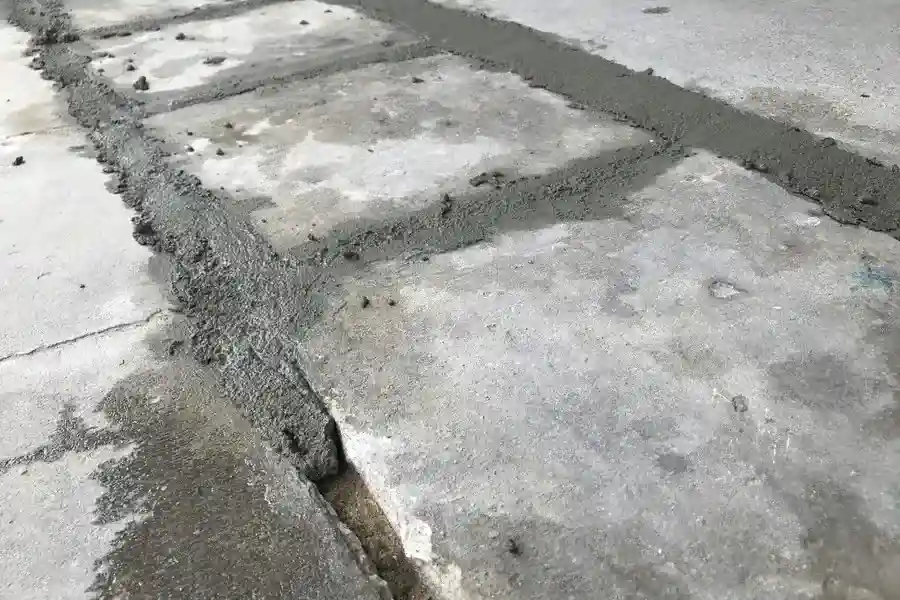
Poor drainage allows water to pool on concrete surfaces. Over time, this standing water seeps into the material, causing it to weaken. During colder months, trapped water can freeze and expand. This process creates pressure that leads to cracking and surface spalling. Once damage occurs, expensive solutions like concrete repair become necessary to restore the surface. Managing drainage effectively avoids these headaches and maintains the structure’s strength.
Common Signs of Drainage Problems
Several indicators suggest inadequate drainage around your home. Look for pooling water after rain or noticeable soil erosion near foundations. You might also see discolored spots on concrete surfaces where water regularly accumulates. In severe cases, gaps may appear between paved sections due to shifting or settling caused by uneven moisture levels. Identifying these signs early can save you from extensive concrete repair needs down the line.
Benefits of Proper Drainage Systems
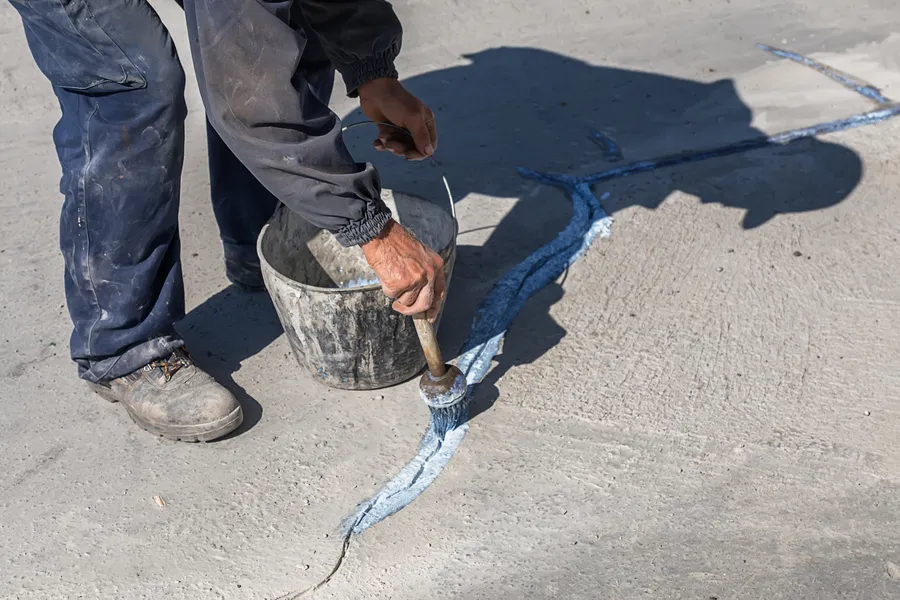
Implementing effective drainage systems offers several key advantages. Firstly, they direct excess water away from valuable structures, reducing moisture build-up. Secondly, proper systems prevent soil erosion that could undermine concrete slabs. Lastly, they enhance the overall lifespan of outdoor installations by minimizing exposure to damaging elements.
- Reduces water accumulation on surfaces
- Prevents soil erosion around structures
- Increases longevity of concrete installations
Strategies for Improving Drainage
Tackling drainage issues involves a few strategic steps. Start by assessing areas prone to water pooling and directing runoff accordingly. Installing gutters and downspouts ensures roof water is efficiently channeled away from foundational areas. Consider grading landscapes to slope away from buildings, which naturally directs rainwater flow. Additionally, permeable materials for patios and driveways allow better ground absorption and reduced surface pooling.
Professional Help: When to Seek It
If you’re unsure about handling drainage improvements yourself, professional consultation can be beneficial. Experts provide insights tailored to your specific environment and offer solutions aligned with industry standards. They help design comprehensive systems that address unique property challenges, ensuring long-term results without unnecessary costs.
Maintaining Drainage Systems Effectively
Regular maintenance keeps drainage systems functioning optimally. Clear debris from gutters and downspouts seasonally to prevent blockages. Inspect grading and slopes periodically, adjusting as needed based on sediment shifts or new landscaping changes. Promptly address any emerging drainage concerns before they escalate into larger issues, securing protection for all hardscaped surfaces.
Secure Your Outdoor Spaces With Expert Solutions
Proper drainage is essential in preventing costly repairs and maintaining outdoor concrete strength. Implementing sound practices protects against common damage causes like water buildup and freezing cycles. For further assistance managing these vital aspects, reach out to Sanchez R Landscape at (951) 390-7938. Our team provides expert guidance throughout San Jacinto, CA, ensuring durable results tailored to your property’s needs.